PLEASE, EAT the FLOWERS
A Guide to Growing, Cooking, and Healing with Edible Flowers
Flowers are often admired for their beauty, planted to brighten gardens, or arranged in vases, but rarely are they considered as food. Yet, for centuries, cultures across Asia, the Middle East, and Europe have recognized edible flowers not just for their aesthetic appeal but also for their healing properties. Their delicate petals are nutrient-dense, whole foods that can help prevent chronic disease, boost immunity, reduce inflammation, and add vibrant color to your plate.
Long before scientists identified antioxidants and flavonoids, people intuitively understood that flowers could soothe digestion, calm the nervous system, strengthen the immune system, and nourish the body. Today, we know that edible flowers are packed with vitamins, minerals, antioxidants, and anti-inflammatory compounds, making them a delicious way to boost our health.
Why Edible Flowers Matter for Our Health and the Health of the Ecosystem
Are you growing edible flowers in your yard or on your balcony? If so, you’re not just feeding yourself, you’re nourishing pollinators like bees, butterflies, hummingbirds, and moths, which are essential for much of our food supply. Every flower you plant supports biodiversity and becomes part of a larger ecosystem that supports life in ways we often overlook. Pollinators depend on flowering plants for nectar and pollen, and in return, they fertilize our fruits, vegetables, herbs, nuts, and seeds that nourish us daily.
Somewhere along the way, the chemical industry convinced us that plants like clover, dandelions, and violets were “weeds” that needed to be eliminated with herbicides in pursuit of the “perfect” lawn. In doing so, chemical applications have removed nutritious foods from green spaces, reduced valuable habitat for pollinators, and disrupted biodiversity in favor of chemically maintained grass
Not-so-fun fact: Before the 1950s, clover was intentionally included in lawns because it naturally fertilized the soil by fixing nitrogen and stayed green during dry periods. The introduction of broadleaf herbicides rebranded clover and other edible plants as “weeds,” leading to the rise of sterile, chemically maintained turfgrass. Today, we’re relearning the value of these “weeds” as edible, medicinal, and ecologically beneficial plants. So, let them flourish in your yard, and you’ll have a small added food source right outside your door.
The Science-Backed Health Benefits of Edible Flowers
Edible flowers are more than just pretty garnishes—they’re nutrient-dense superfoods with proven health benefits.
Powerful Antioxidant Protection
Flowers like hibiscus, calendula, and borage are loaded with anthocyanins, flavonoids, and polyphenols, compounds that neutralize free radicals and protect cells from damage. Research published in the Journal of Functional Foods found that edible flowers contain antioxidant levels comparable to—and sometimes exceeding—conventional fruits and vegetables.
Anti-Inflammatory Action
Chronic inflammation is the root cause of heart disease, diabetes, cancer and neurodegenerative diseases. Many edible flowers contain natural compounds that calm inflammation, for example:
Nasturtium’s sulforaphane
Calendula’s flavonoids
Chamomile’s apigenin
Lavender’s linalool
By incorporating edible flowers into meals, you’re actively working to interrupt the inflammation-disease cycle.
Immune System Support
Flowers like hibiscus, rose, chamomile, and clover are rich in vitamin C, polysaccharides, and immune-boosting compounds that support white blood cell production and enhance your body’s ability to fight infection.
Cardiovascular Health
Several edible flowers show promise for heart health:
Hibiscus tea has been shown in clinical trials to lower blood pressure as effectively as some medications.
Rose petals contain compounds linked to improved cholesterol levels.
Garlic chives may help reduce blood pressure and improve circulation.
Digestive and Liver Support
Traditionally, dandelion, rose, chamomile, and calendula have been used to support digestive health, liver function, and gut microbiome diversity. Modern research confirms that these flowers enhance bile production, soothe digestive discomfort, and support detoxification pathways.
Skin Health from the Inside Out
Flowers like violets, roses, calendula, and pansies contain compounds that promote healthy skin from within. Their vitamins, antioxidants, and anti-inflammatory properties nourish the skin, reducing signs of aging and promoting a glowing complexion.
Brain Health and Relaxation
Basil flowers contain eugenol and linalool, compounds with neuroprotective effects that may support brain health. Chamomile and lavender contain apigenin and linalool, which interact with receptors in the brain to reduce anxiety and promote relaxation.
Incorporate Edible Flowers into Your Diet
Edible flowers can be used in countless ways to elevate your meals while boosting nutrition:
Salads
Arugula flowers (peppery kick)
Nasturtiums (peppery, watercress-like)
Violas/pansies (mild, floral)
Borage (cucumber-like)
Chive blossoms (delicate onion flavor)
Teas and Beverages
Hibiscus (tart, cranberry-like)
Chamomile (sweet, apple-like)
Lavender (floral, relaxing)
Chrysanthemum (slightly bitter, herbal)
Rose petals (perfumed, floral)
Desserts
Candied violets (elegant garnish)
Rose petals in cakes (floral sweetness)
Lavender shortbread cookies (subtle floral notes)
Savory Dishes
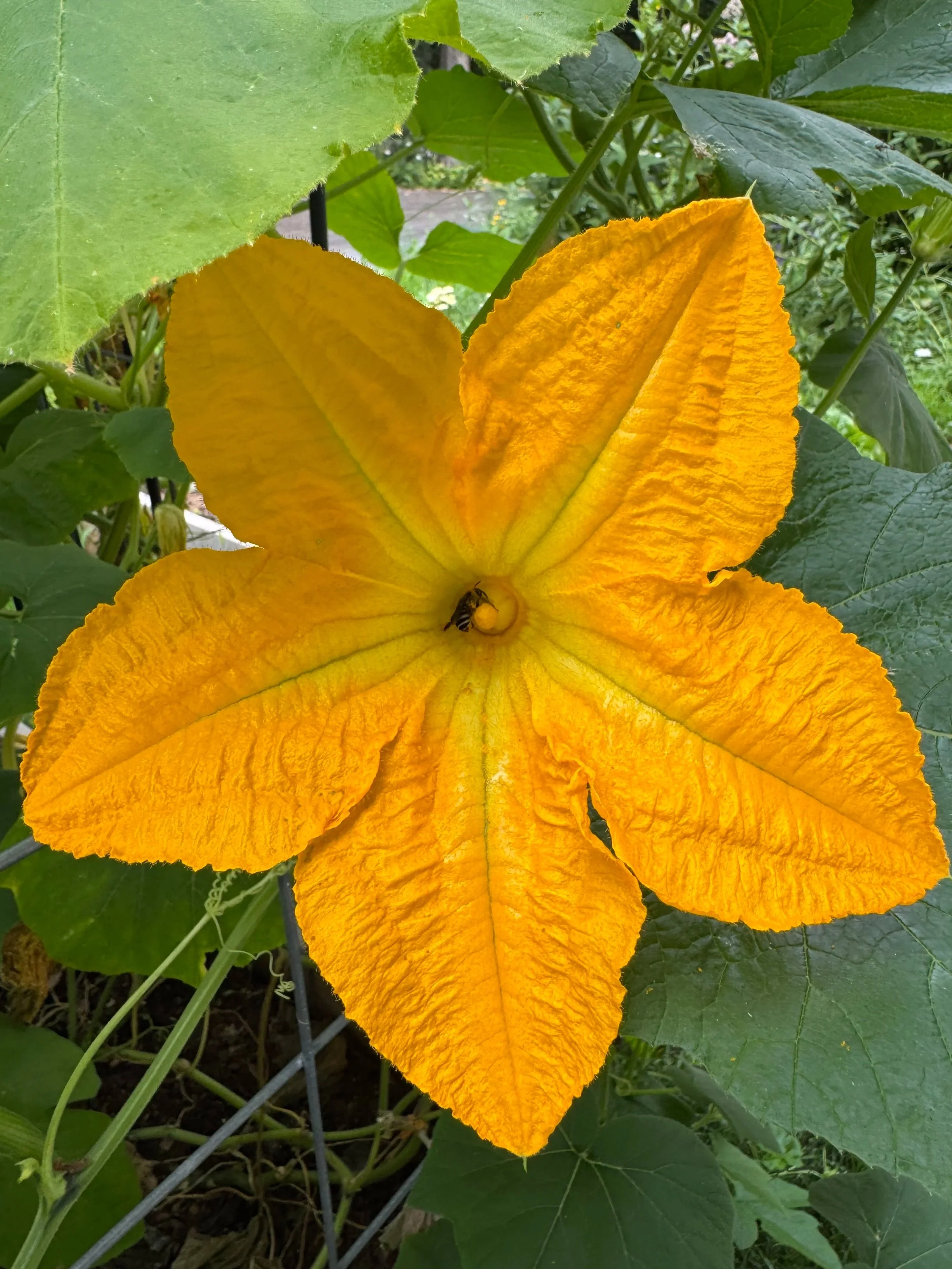
Squash blossoms (stuffed, battered and fried)
Calendula-infused olive oil (bright, peppery)
Marigold rice dishes (earthy, citrusy)
Dandelion greens in soups (bitter, tangy)
Infused Oils, Vinegars, and Butters
Garlic chive-infused vinegar (onion-garlic flavor)
Calendula compound butter (peppery, earthy)
Borage-infused honey (cucumber-like sweetness)
Sourcing Your Edible Flowers
It’s important to know the source of your edible flowers. Many ornamental flowers sold in florist shops or garden centers have been treated with pesticides and other chemicals not safe for consumption. Here are safe sourcing options:
Grow your own – This is the ideal option. Plant nasturtium, calendula, violets, borage, and dandelion in a dedicated section of your garden or in containers. You’ll know exactly what has and hasn’t been applied on them.
Farmers markets – Many local growers now offer edible flowers. Ask about their growing practices to ensure they haven’t used chemical inputs.
Specialty grocery stores – Some higher-end grocery stores and natural food markets carry certified edible flowers. Check the label to confirm they’re chemical-free.
Online specialty growers – Several companies specialize in organic, pesticide-free edible flowers shipped fresh or dried.
A Few Important Safety Tips
Not every flower is edible. Some are highly toxic, so proper identification is essential. Keep these simple guidelines in mind:
Only eat flowers you can positively identify.
Never eat flowers purchased from florists unless they’re specifically labeled edible. Most have been treated with pesticides, fungicides, or preservatives.
Never harvest flowers from the wild or from ornamental plantings unless you’re certain of the species and growing conditions.
Harvest flowers away from roadsides or areas exposed to pollution.
Pick flowers in the cool of the morning when they’re freshest.
Wash them gently before eating.
Introduce new flowers one at a time in case of allergies.
Remove pistils and stamens from larger flowers. They can be bitter or trigger sensitivities in some people.
When in doubt, leave it out. Nature gives us incredible gifts, but wisdom means respecting them.
A Simple Practice for Healing
Edible flowers represent something powerful in the journey toward better health: the shift from seeing food as merely fuel to recognizing it as medicine. When you add a nasturtium flower to your salad, you’re not just adding color; you’re delivering sulforaphane to your cells. When you sip hibiscus tea, you’re not just enjoying a refreshing beverage; you’re supporting your cardiovascular system. When you garnish your soup with violet petals, you’re practicing mindful eating. This is the essence of healing just for today. You don’t need expensive supplements, complicated protocols, or restrictive diets, just simple, whole foods that deliver real nutritional value.
Getting the Most Nutrition from Edible Flowers
Like many fruits and vegetables, edible flowers are at their nutritional best when they’re enjoyed fresh. Heat can reduce or destroy delicate vitamins, antioxidants, aromatic oils, and phytonutrients that make flowers so beneficial. That doesn’t mean you shouldn’t bake with them, just know they’ll be more pretty than purposeful. Then again, being pretty is a wonderful purpose.
Add fresh petals after cooking. Sprinkle them over soups just before serving, scatter them across salads, grain bowls, roasted vegetables, yogurt, or desserts, and stir them into foods after they’ve cooled slightly. The less heat they’re exposed to, the more beneficial compounds they’ll retain.
Flowers also make wonderful additions to:
Smoothies
Infused vinegars
Herb butters
Homemade dressings
Compound butter
Fresh cheeses
Beverages
Growing Your Own Living Pharmacy
If you’re inspired to grow your own edible flowers, consider these easy-to-grow options:
Arugula flowers
Borage
Bee balm
Calendula
Chamomile
Chive blossoms
Nasturtiums
Pansies
Violas
As your garden grows, so does the diversity of plants you eat. And that’s good news for your microbiome. Research continues to show that eating a greater diversity of plant foods supports a more diverse community of beneficial bacteria living in the gut. Every new edible flower you add becomes another source of unique fibers, antioxidants, and phytochemicals that help feed those microbes. Learn their flavor profiles and enjoy experimenting with them.
Healthy gardens. Healthy soil. Healthy pollinators. Healthy people.
It’s all connected.
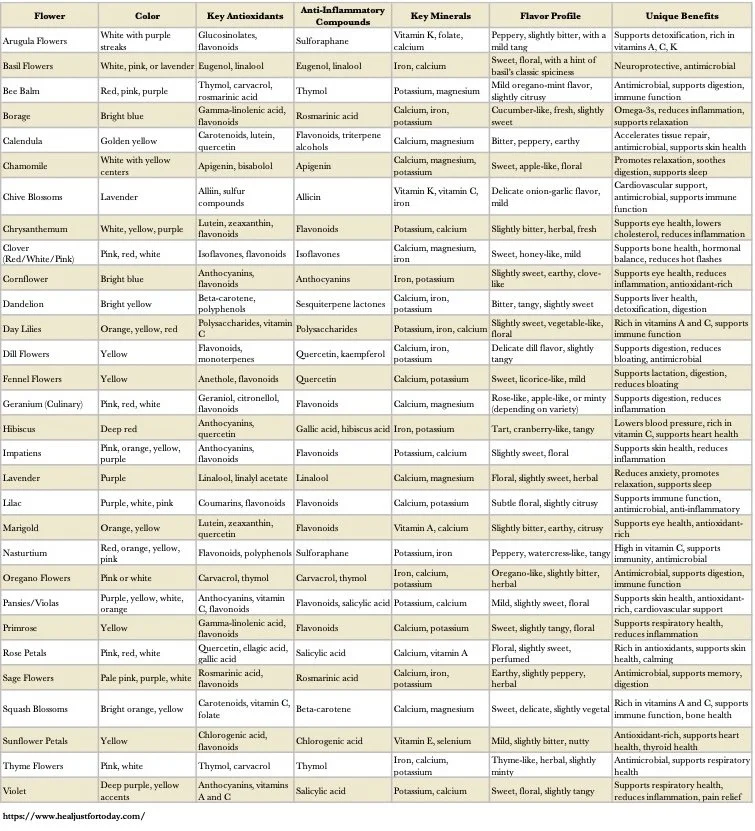
The chart below is a helpful guide when deciding what flowers to eat and heal just for today.