

Animal Protein: Looking Beyond the Label
I’ll never forget the unexpected stress I experienced around my food choices that came after being diagnosed with cancer. One well-meaning friend handed me a list of foods to avoid. Another urged me to buy nothing but pasture-raised animal protein. Someone else suggested I eliminate meat entirely, while another thought supplements were the answer. Meanwhile, the oncology department recommended ultra-processed protein drinks filled with ingredients no one should consume.
Instead of focusing my energy on healing, I found myself drowning in conflicting nutritional advice. Perhaps you know what I’m talking about. Today, with social media added to the mix, I think it’s even harder. Influencers, companies and health professionals use predatory marketing to get us to follow their niche offerings even when no good science exists or they strategically leave out a key part of the research that might cause you to think twice before making a purchase. When you’re already vulnerable and dealing with a diagnosis, the last thing you need is to shell out money for a product that will likely end up giving you more confusion, stress and potentially more health challenges.
Over the last twenty years, I’ve become much less interested in other peoples’ food rules and much more interested in understanding what the research says and what my body needs. When it comes to the latest craze of loading up on protein, perhaps it’s best to stick with the science.
Parenting Through Chronic Illness Isn’t An Art Form
What happens when you're diagnosed with a serious chronic illness and you're also somebody's mom or dad?
It's one of those questions you don't contemplate until suddenly it belongs to you. Before illness, we parent assuming we’ll always be planning for another week, another summer, and all the milestones to come. We work on the assumption we'll be here to help our children navigate life's challenges. Then an unplanned diagnosis happens, throwing everything into question.
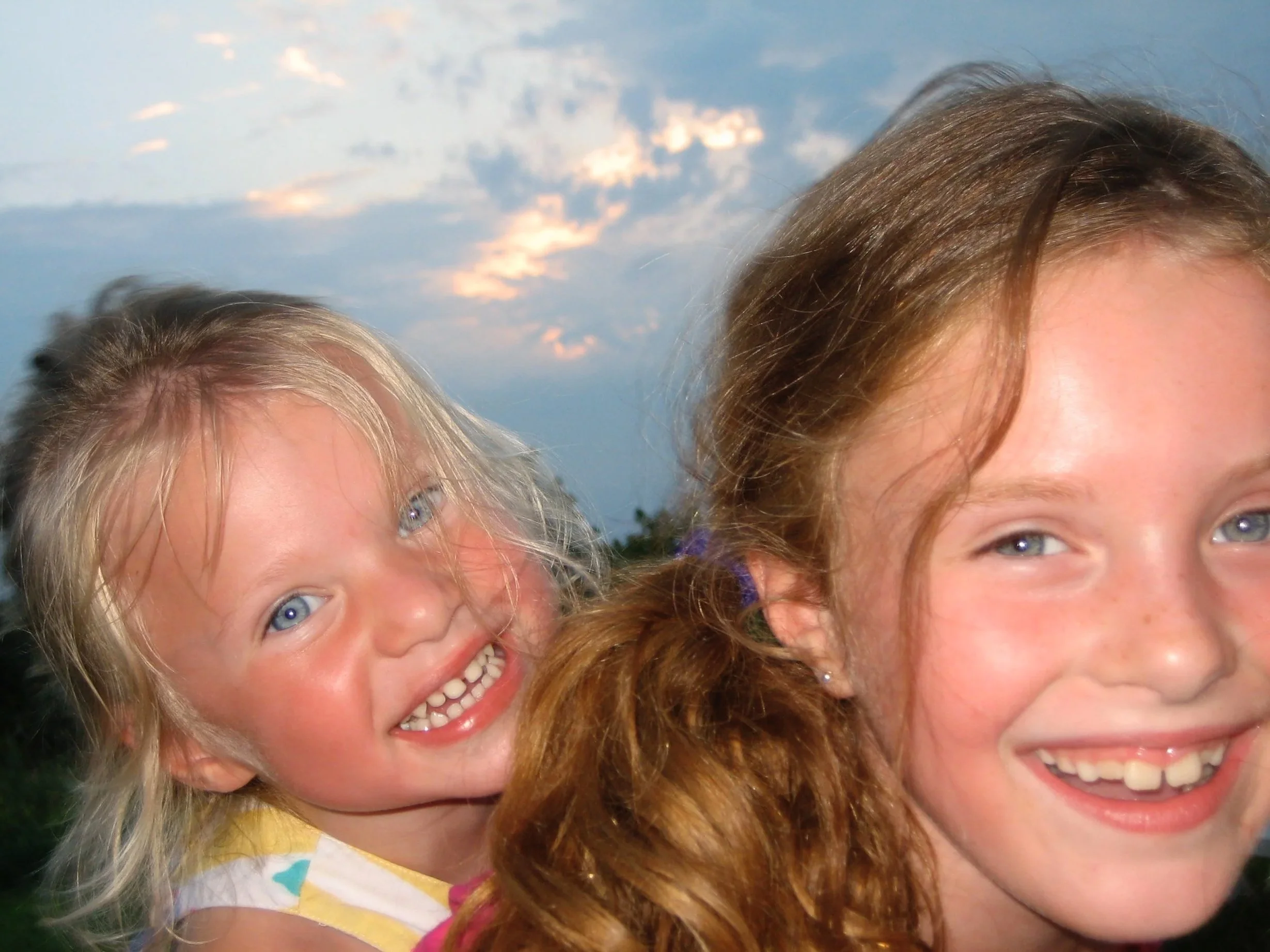
When I was diagnosed with stage IV inflammatory breast cancer, I was a wife and mom of two daughters aged two and seven. My diagnosis wasn't just mine; it belonged to all of us. The following year, I was diagnosed with a second rare, aggressive cancer. I underwent an exhausting period of treatments, surgeries, scans, that forced me to change how I viewed my future—especially how to be a mom in a compromised state.
Cancer is only one chronic illness that can change the way we parent. A parent living with multiple sclerosis may face fatigue, weakness or cognitive changes. Someone with lupus may move between feeling well and unpredictable flares of pain. Rheumatoid arthritis can make everyday activities painful. A parent with chronic fatigue syndrome might look perfectly healthy while having so little available energy that attending a school event today means spending several days recovering in bed.
These illnesses are medically different, but they leave parents asking similar questions: How do I remain present for my children when my body isn't cooperating? How much should I tell them? How do I help them feel secure when I don't know how I'll feel from day to day?
PLEASE, EAT the FLOWERS
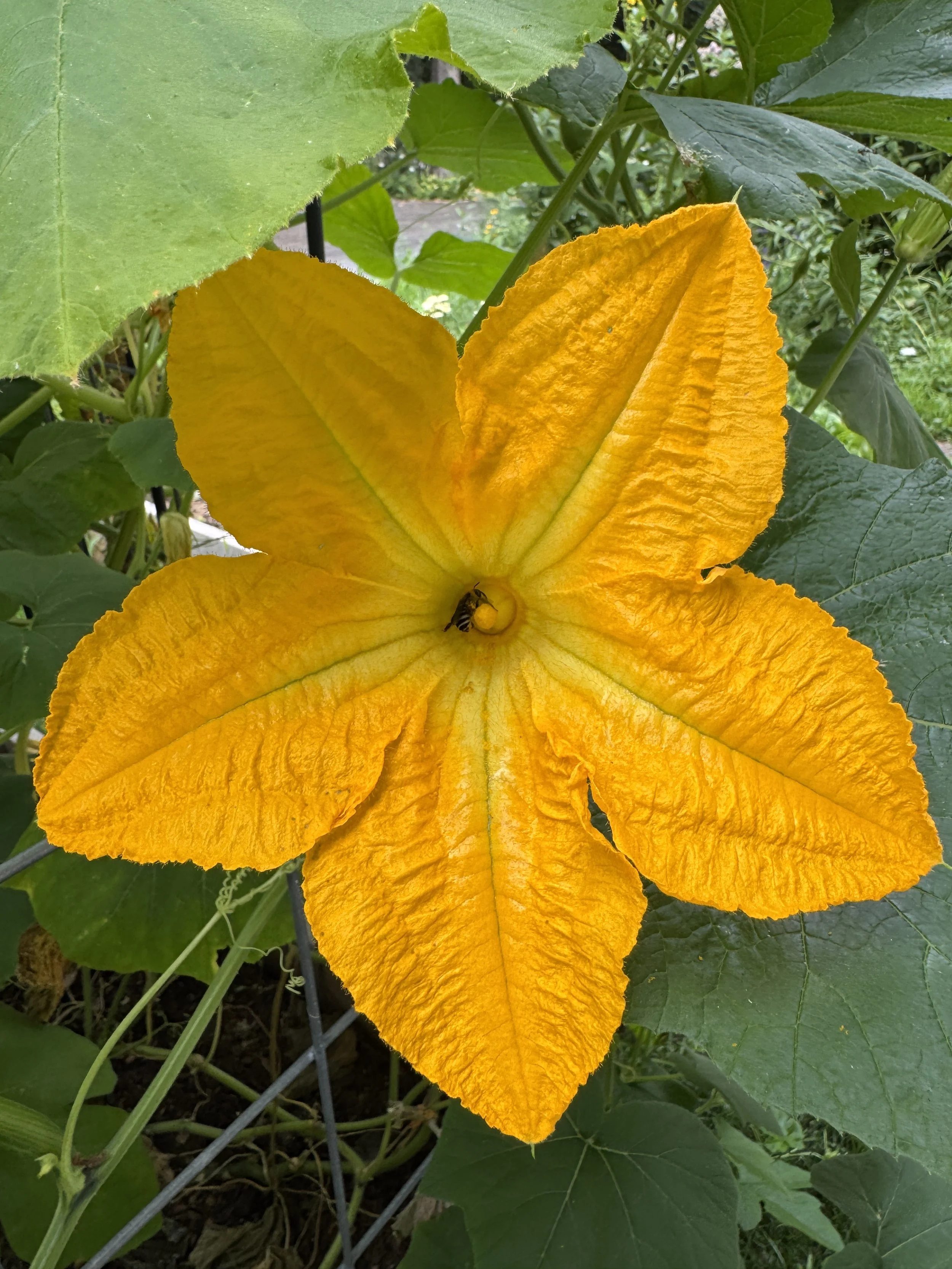
Flowers are often admired for their beauty, planted to brighten gardens, or arranged in vases, but rarely are they considered as food. Yet, for centuries, cultures across Asia, the Middle East, and Europe have recognized edible flowers not just for their aesthetic appeal but also for their healing properties. These delicate petals are nutrient-dense, whole foods that can help prevent chronic disease, boost immunity, reduce inflammation, and add vibrant color to your plate and your health.
Using Food As Medicine Doesn’t Have to Break Your Bank
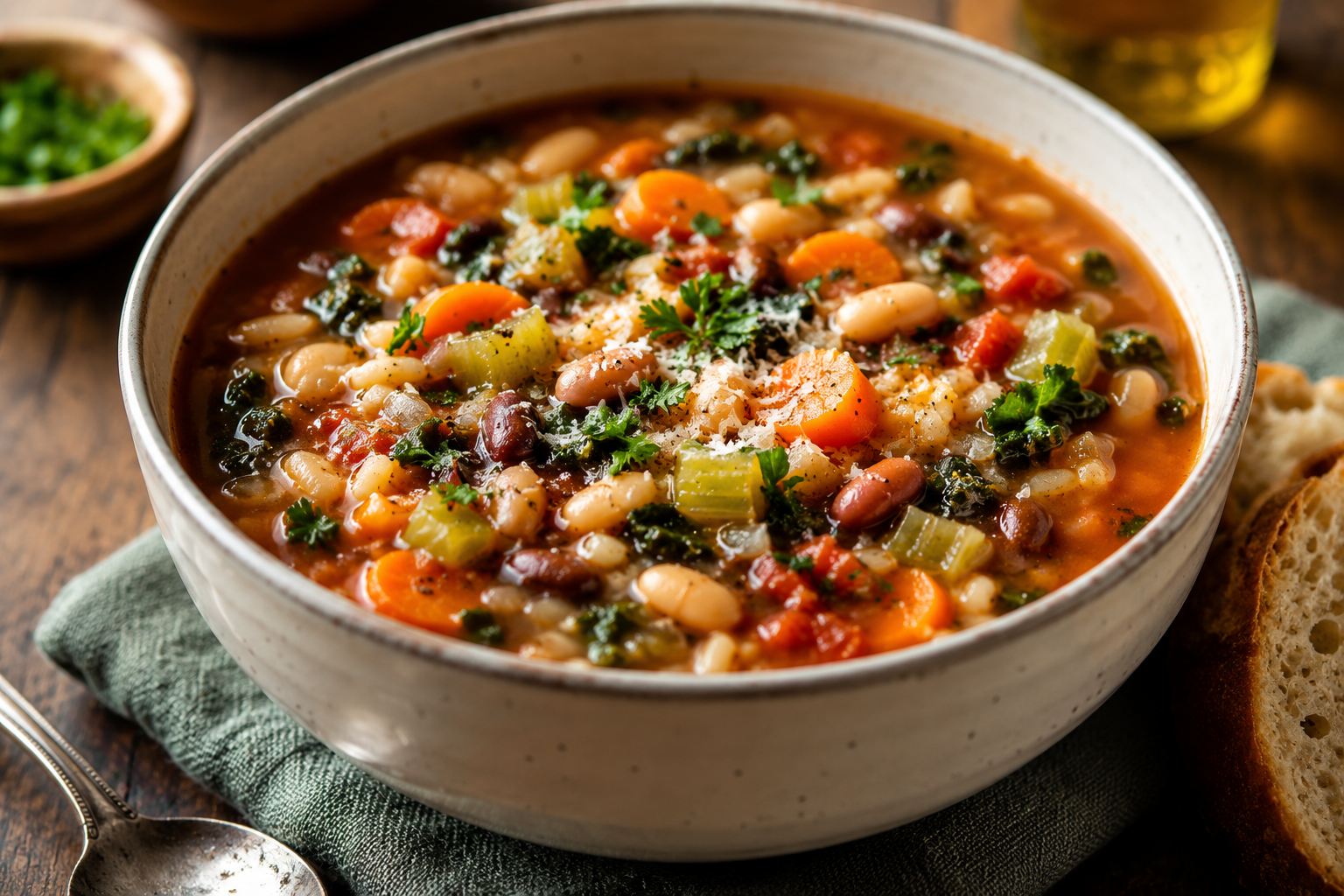
One of the biggest myths I hear is, "I can't afford to eat healthy." And I understand why so many people feel that way. Grocery prices continue to rise, and when life is busy or stressful, it often seems easier to grab cheap convenience foods. But here’s what I’ve learned over the last two decades through my own healing journey and through helping others - healing foods don’t have to be complicated or expensive.
Reiki: The Toe Injury That Started a Global Healing Movement
Have you ever noticed that your body sometimes knows what it needs before your mind does?
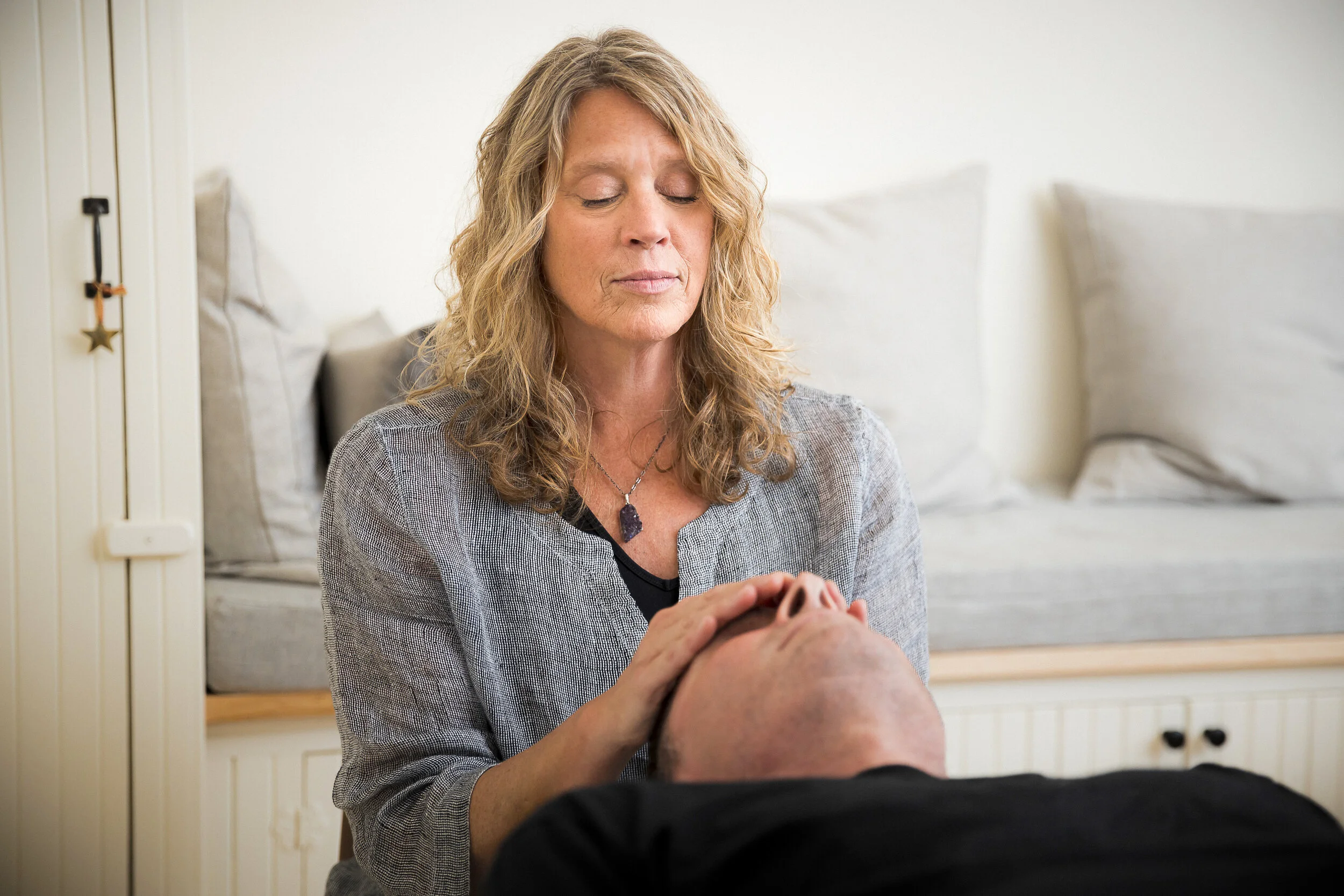
Racing thoughts. Tight shoulders. Knots in your stomach. Exhaustion you can’t explain. We’re all pretty good at pushing through these signals instead of listening to them. That’s one of the reasons I continue to come back to Reiki. When we’re healing, we’re calming the nervous system, reconnecting with ourselves, and creating the internal conditions that allow the body to do what it was designed to do. Reiki expedites the process.
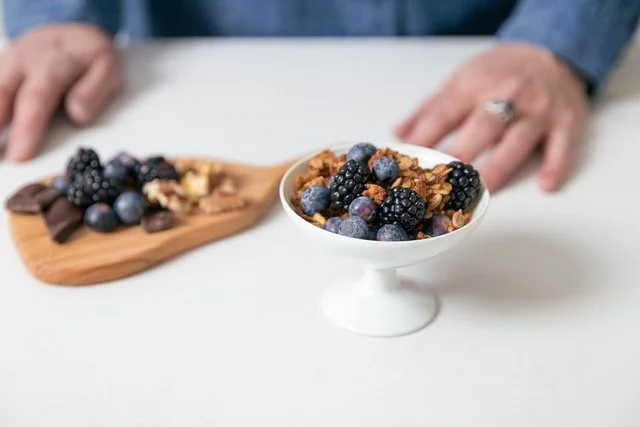
Take Care of Your Gut, and it Will Take Care of You
Eat healthy and exercise. That’s the key to staying well. Have you heard this before? These words are ubiquitous, and yet it’s not the whole story. According to the World Health Organization, 60% of people will face at least one chronic illness in their lifetime—and 40% will face more than one. Diseases like heart disease, diabetes, autoimmune disorders, depression, anxiety, and even cancer have become part of modern life. I know this firsthand: I’m more than 20 years past two rare, aggressive and late-stage cancers. What I learned along the way changed everything I thought I knew about healing. Recovering from chronic disease isn’t about following the latest health influencer or sticking to a strict protocol. It’s about tapping your intuition and healing your mind, body, and spirit together—the science on this is real.
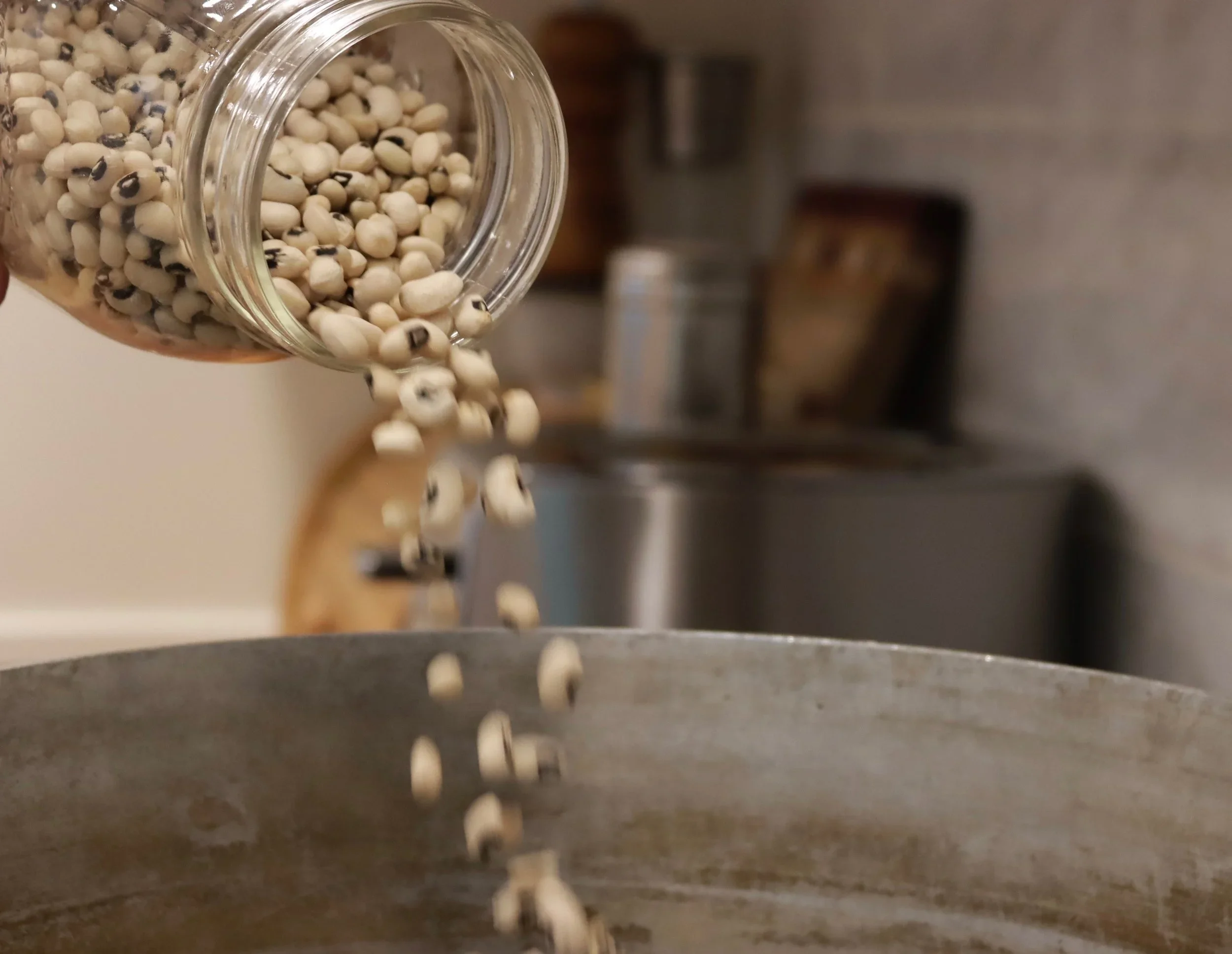
Beans: A Simple Superfood for a Long, Healthy Life
Multiple studies link bean-rich diets to lower risks of heart disease, diabetes, high blood pressure, high cholesterol, obesity, and even cancer. In short, beans help defend against disease, keep you feeling full and energized, and help you live a long and healthy life.
Healing Through Mindfulness
A cancer diagnosis almost universally results in panic, anxiety and a sense of chaos as we reel from the fear of what we could lose. But what if just for a minute we employed a simple mindfulness practice?

Forest Bathing: A Peaceful, Enjoyable Way to Fight Cancer
Have you ever contemplated the connection between tuberculosis and cancer? Of course, you haven’t. Why would you? Well, as it turns out the discovery of an ancient forest treatment to boost immune function was used successfully to treat tuberculosis and has now been discovered to be a powerful tool in eradicating cancer and other chronic diseases.
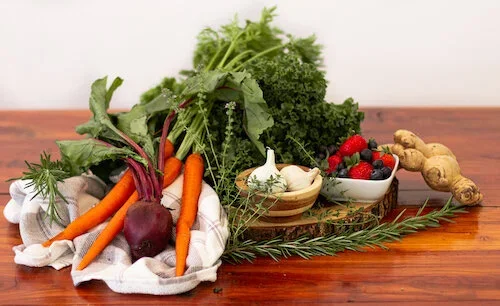
Food As Medicine: Is the Raw Food Diet Worth it?
What if you eat a carrot raw or roasted, an onion raw or sautéed, a tomato raw or stewed? Well, it turns out that when your using food as medicine, how you prepare your food makes a huge difference in which nutrients your body absorbs.
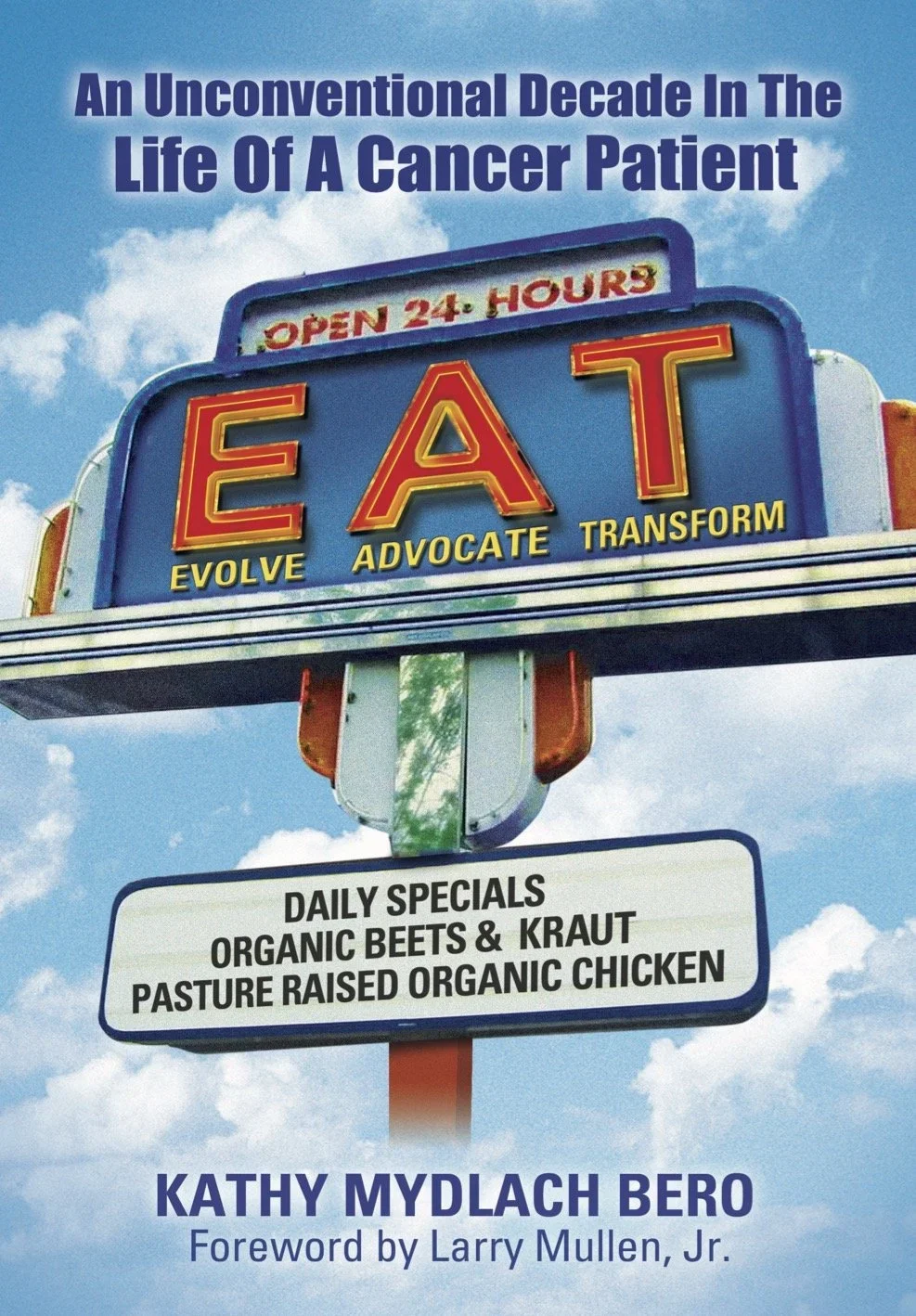
Inspiring New Author Wins Top Book Awards
The 2019 book award season has concluded and I'm so proud to have received four top honors. E.A.T. An Unconventional Decade In The Life Of A Cancer Patient is a four-time award-winning, best-selling journal-type narrative written from the 18 journals I kept during my battle with inflammatory breast cancer and a high-grade head and neck cancer. Despite taking advantage of everything my hospital had offered, My body was failing, leaving me to live each day half dead. As I tallied the limitations of conventional medical protocols, I embraced the challenge cancer had offered me and discovered I had exactly what it took to change my life and thrive cancer free. This is a manual of hope for anyone confronting serious illness or simply looking for a more proactive approach to wellness.
Healing Communities With Food: Stone Soup
Supplements tend to be the first thing we run to, believing they can provide us with the nutrients our bodies need. In fact, one of the first questions most new clients ask me is generally presented in the form of a box or bag filled with bottles of "nutritional supplements" they paid a lot of money for. That got me thinking. Maybe the following article will be of deep interest to you and help address your questions in a comprehensive way.
Does Bone Broth Stand Up to the Hype?
Let's start with the difference between broth and stock. Although they're both made by using meat, skin, and bones, stock uses a higher proportion of roasted bones to meat. More importantly, a typical chicken broth takes 45 minutes to 2 hours of boiling, while stock can take as long as 24 hours to give the collagen time to break down, producing a gelatinous broth when cooled - the trademark of a stock rich with amino acids.
Black Raspberries: The David and Goliath of Cancer Treatments
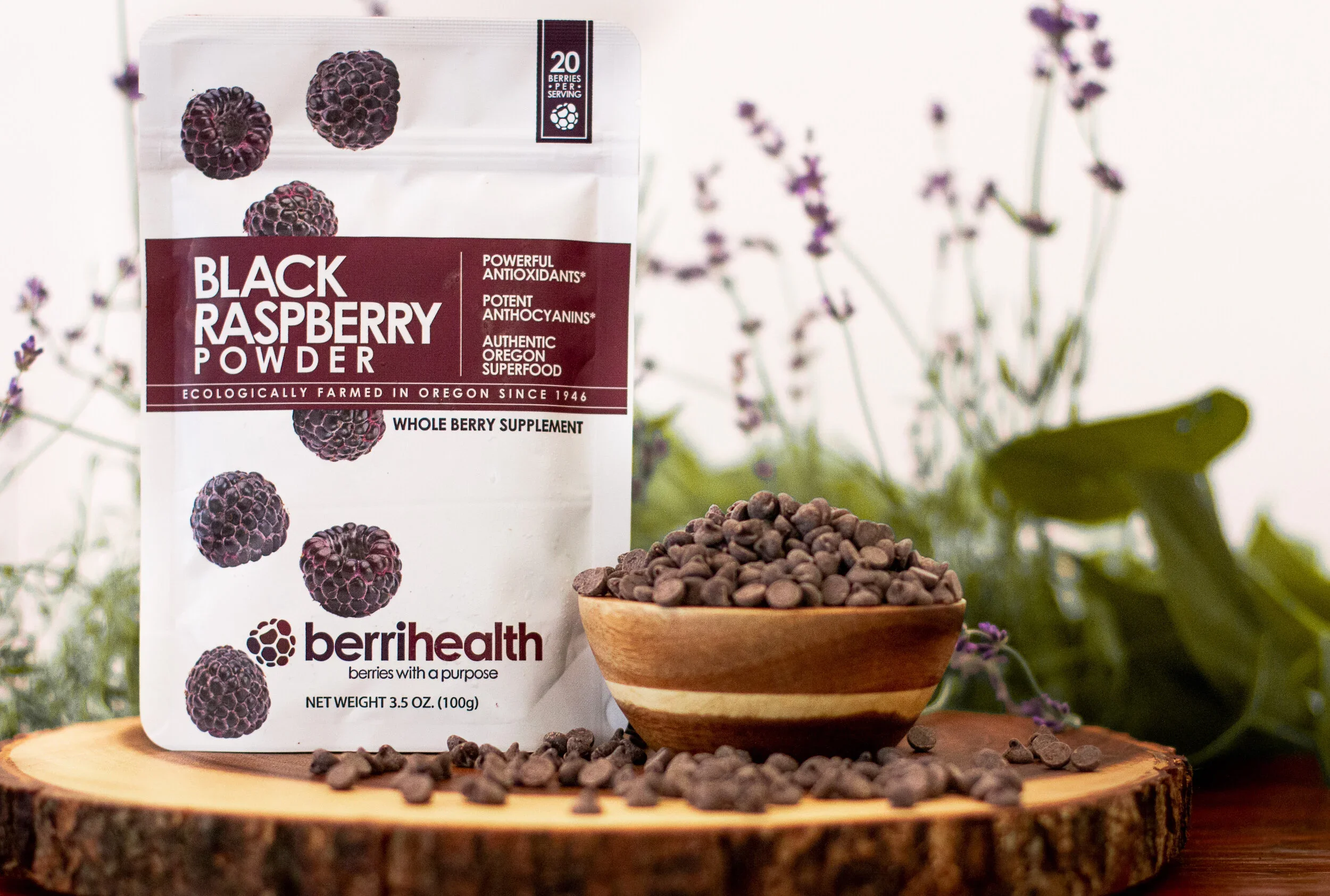
If Goliath were cancer, then David would have to be the tiny black raspberry that rose to fame as the deep purple superstar of the berry world when Ohio State University (OSU) scientists discovered its powerful abilities to fight cancer. Dr. Gary D. Stoner, one of the world’s leading researchers of berries, and his team were studying the impact of ellagic acid on esophageal tumors and found that black raspberries carried higher levels than the other berry varieties they tested. They also identified anthocyanins, responsible for the berry’s dark color.
Add Sunshine to Your Day with Vitamin D
Perhaps you’re already familiar with a healthy body’s key nutrient – vitamin D3. It’s arguably the most important essential nutrient, working to keep your bones strong and inflammation in check while reducing your risk of developing chronic disease or improving disease outcomes. Vitamin D3 tends to be the one supplement doctors strongly suggest their patients take. In fact, most oncologists will tell you they take it as part of their own cancer prevention strategy, and while there are a variety of ways to obtain this essential hormone, the most simply effective way is free for the taking – the sun.

Harvard to Document Unique Cancer Wins
NEER will not only give credibility to patients like Glenn and myself who have attacked cancer in an unconventional way, it will give doctors a better informed and more effective way to answer questions about taking a less toxic and more integrative approach to beating cancer. Ask your doctors if they’re familiar with NEER and the National Institutes of Health Integrative Health Program. If they’re not, light a fire under them to become more curious and better health care practitioners by being better informed.
AICR Offers Advice On Oral Cancer Prevention and Care
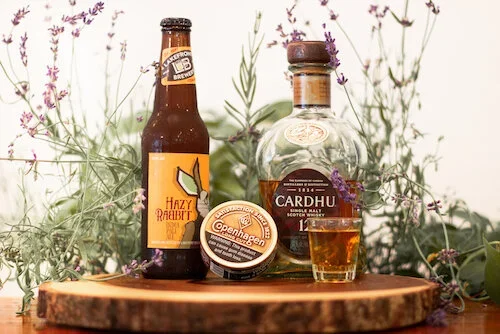
Oral cancer has been on my mind lately with the recent national attention given to an increased risk of cancer and respiratory disease for teens and young adults who vape along with adults who use tobacco or drink a lot of alcohol. Each year, rates of oral cancers continue to increase, so when I read an article from the American Institute for Cancer Research (AICR) on oral cancer prevention and care during treatment, I thought you might find it as interesting as I did for turning these trends around.