
Using Food As Medicine Doesn’t Have to Break Your Bank
Let’s debunk the food affordability myth
One of the biggest myths I hear is, "I can't afford to eat healthy." And I understand why so many people feel that way. Grocery prices continue to rise, and when life is busy or stressful, it often seems easier to grab cheap convenience foods. But here’s what I’ve learned over the last two decades through my own healing journey and through helping others - healing foods don’t have to be complicated or expensive.
Healing doesn't require expensive supplements, trendy diets, or a pantry full of specialty foods. More often than not, healing begins with simple, consistent choices that anyone can make throughout the day. Whole foods, shared meals, good conversation, and a little time in the kitchen can go much further than you might think.
Some of the healthiest foods in the grocery store are also the least expensive. Taking care of your body by eating with the intention to heal each day, is far more affordable than managing chronic disease and the astronomical health care costs that go along with it. Using food as medicine is never about perfection, it’s about making smart consistent choices and knowing when to spend more and on what. For example, organic foods are priced higher than I think they need to be, but that’s the reality. So, knowing what foods to buy organic and what foods are okay to purchase non-organic can really help with your health and your budget. For the science-based facts on this, check out the Environmental Working Groups Clean 15.
When I was reclaiming my health after cancer, I wasn't shopping for trendy superfoods or filling my cart with expensive supplements or high protein energy drinks. I focused on fresh, whole foods that gave my body the nutrients it needed and could truly access. Using food as medicine to support your health just for today works even when your budget is limited. In fact, you’ll likely save money eating this way since most supplements being pedaled on the market are predatory and entirely unnecessary no matter how convincing those influencers are. Continue reading and you’ll discover some useful tips on how to keep your grocery bill down and your health strong.
How To Stretch Your Grocery Budget
Fresh whole foods that have nourished people for generations is an excellent place to focus your shopping. One of the easiest places to start is with produce that's in season and naturally affordable, providing natural sweetness, critical fiber, vitamins, minerals and antioxidants. These are some of my favorite budget friendly fruits and vegetables:
Apples
Bananas
Beans (dry or canned)
Broccoli
Cabbage (red and white)
Cantaloupe
Carrots
Celery
Cucumbers
Grapes (in season)
Honey dew melon
Lentils
Lettuce (Romaine and iceberg)
Onions
Oranges
Pears
Potatoes
Tomatoes (Roma and plum)
Watermelon
Winter squash
Frozen vegetables are another wonderful option because they're picked at peak ripeness, retain their nutrients for several months, last much longer than fresh produce, and help reduce food waste. Vegetables picked at their peak and flash frozen hold 100% of their nutrient value for up to three months. Fresh produce needs to be eaten within a few days after harvest since vitamins such as C, folate and Bs degrade between 15%-50% within two days of harvest. That’s why I like to grow my own where I can and purchase what I can’t from local famers. Since I live in a northern climate, I keep frozen peas, spinach, corn, and green beans in my freezer throughout the winter. They make a quick and easy add on, boosting vegetable servings to any meal. I also stock frozen berries, mango, and pineapple. It’s not always a simple rule that frozen fruit is less expensive than fresh since prices vary. You’ll want to compare fresh to frozen by checking quantity against price.
Protein is another area where people often assume they need to spend a lot of money, but that's simply not true.
Animal-based protein:
Cheese (high quality)
Chicken thighs are cheaper than breasts and high in iron.
Bone-in chicken is usually the least expensive.
Eggs
Canned salmon (BPA free can)
Canned tuna (BPA free can)
Turkey ground or a whole turkey if you have the freezer space to store it.
Plant-based Protein:
Beans - dried and canned beans (check price/quantity). Dried is generally less expensive, but if you don’t have the time to rehydrate them, purchase canned (BPA free liner).
Lentils
Nut butters (unsweetened)
Peas - dried, fresh or frozen (check pricer/quantity)
Tempeh
Tofu
Whole Grains: Add these to grain bowls, soups, salads and pretty much any meal.
Barley (Can be eaten hot or cold in anything.)
Brown rice
Farrow
Oats (I often put quick cook oats in my smoothies.)
Quinoa
Wheat berry
Tips for stretching your dollar:
One of my favorite ways to save money is by using every edible part of the food. We often discard parts of vegetables and herbs that are perfectly edible and incredibly nutritious. Looking at food this way can change your mindset from one of waste to one of abundance. Follow these tips to maximize your dollar.
1. Purchase beets with the leaves intact and looking healthy. Don't throw those beautiful leaves away. The stems and greens are packed with antioxidants, minerals and nutrients. I love them chopped in soups, stews, stir-fries, salads, and even smoothies.
2. The same goes for Swiss chard stems. Chop them up and add them to pretty much anything, including pastas, protein bowls, and omelets. Be bold!
3. Herbs are another food we often waste by using the leaves and tossing the stems. Chop the nonwoody stems and use them in what you’re eating. Add the woody stems when making broth to add delicious flavor.
4. One of my favorite money-saving strategies is roasting a whole chicken. Not only does it provide multiple nourishing meals, but the bones become homemade broth that can be used as the foundation for soups and stews. Roast a whole chicken, take the meat off the bones and make stock from the bones. When the stock is ready, you can give the remaining meat that fell off the bones and the cartilage to your dog (if you have one) as an extra treat. This is a low-cost technique that extends the use of the chicken. I throw it covered in the oven at 375 degrees with some seasoning and water until it’s done (It usually takes an hour or so). I also throw a frozen chicken in the oven the same way, if I’m going to be home. It takes three to four hours, adding a few cups of water as it bakes. The water is important for keeping the meat moist and making gravy!
5. Frittatas are a great way to get affordable protein, eat more veggies and stretch your dollar.
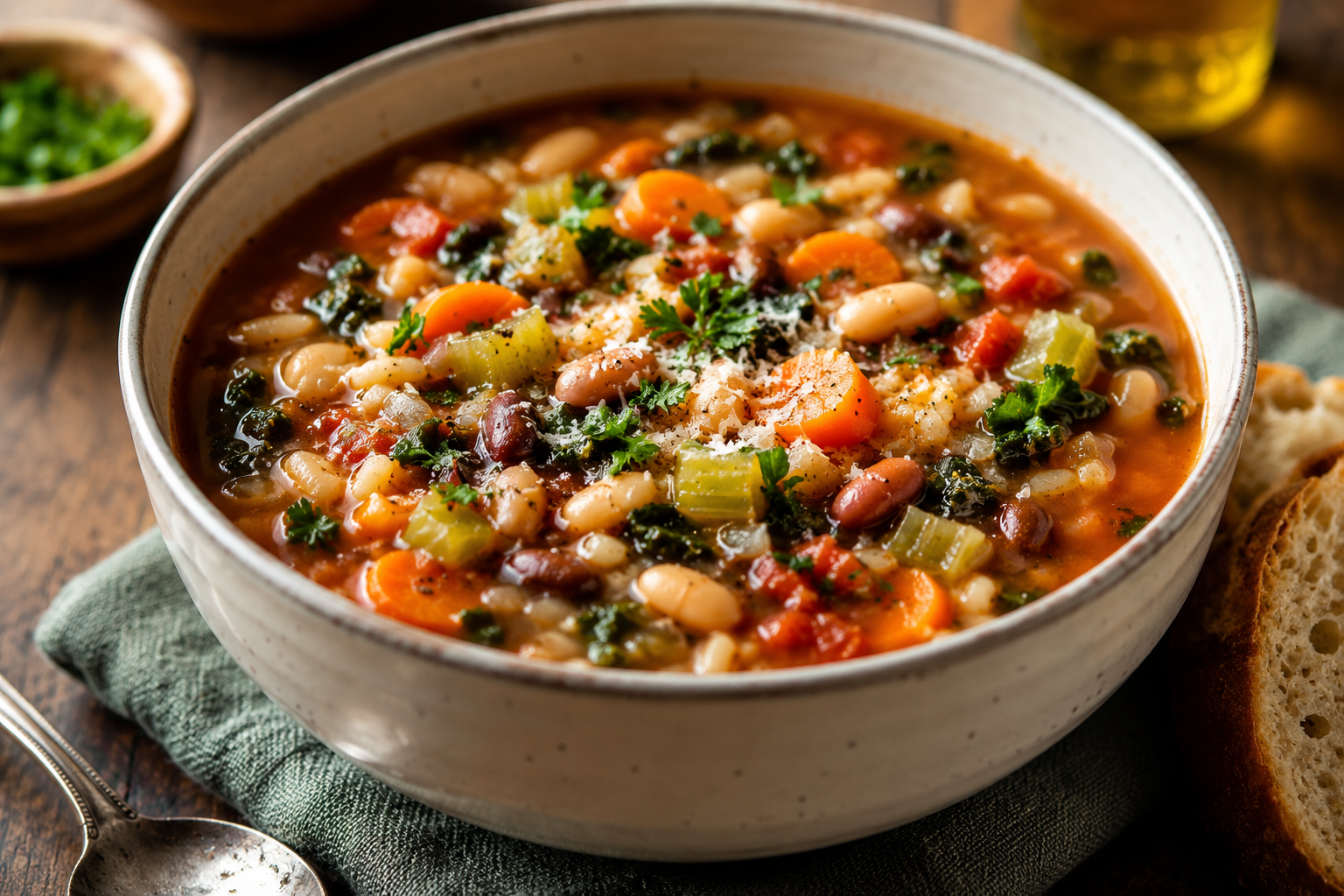
6. Homemade soup is the most nutrient dense affordable meal you can eat, and there's something so comforting about a pot simmering on the stove. Perhaps that feeling is almost primal since soup is one of the most economical and nourishing meals you can make. I usually start with onions, carrots, celery, and garlic then add whatever vegetables I have on hand. Add the stock you made from your whole chicken. Then, add herbs, salt and pepper, beans, lentils, and whole grains like barley or brown rice. One pot can feed you for several days, freezes beautifully, and costs a fraction of what you'd spend on canned soup or takeout. Sometimes the simplest meals truly are the healthiest.
7. If you’re not a chicken stock person, no worries. When you’re chopping vegetables, take the scraps you’re not going to eat and add it to a pot with water. Then, throw in onions, carrots, celery, garlic, salt, pepper, and herbs to deepen the flavor. Boil it for approximately 30 minutes, then proceed to add the rest of your chosen ingredients.
8. If you buy anything in a can, be sure to only purchase cans free of BPA liners.
9. Canned tomatoes and jarred pasta sauce are inexpensive pantry staples that happen to be rich in lycopene, a powerful antioxidant linked to better health.
The Biggest Bang for Your Buck
Beans. If there is one food I encourage everyone to eat more often, it's beans. They are one of nature's nutritional powerhouses, providing protein, fiber, vitamins, minerals, and compounds that support a healthy gut microbiome. They also keep you feeling full much longer, which naturally helps reduce unnecessary snacking. I even add beans to smoothies because they create a creamy texture and pack a fiber and protein punch without changing the flavor much. The best ones for smoothies would be Great Northern white beans, pinto beans and black beans. They may not be glamorous, but they're one of the best bargains in the grocery store.
Whole Grains are a pantry staple. Oats, brown rice, barley, quinoa, farro, and wheat berries provide lasting energy while helping stabilize blood sugar and support digestive health. Pairing whole grains with beans creates satisfying meals that nourish your body without stretching your budget. Even pasta can fit into a healthy lifestyle. I recommend cooking it al dente, which lowers its glycemic impact compared to overcooked pasta, then load it with vegetables, lean protein, healthy fats, and tomato sauce. That will help reduce the amount of simple carbs you’re eating. Al dente pasta has a glycemic index of approximately 42. Foods like quinoa, whole barley, steel-cut oats score between 25-45. So don’t be afraid of pasta, just cook it correctly.
What to Avoid
Do your best to stay away from meal kits, prepared foods and prepared snacks. They’re expensive relative to what you get and not usually the healthy option. Occasionally is fine, but not every week. When it comes to snacks, I encourage you to think simple. Popcorn, hard-boiled eggs, hummus with vegetables, celery with peanut butter, nuts, salsa with tortilla chips, or simply a piece of fruit can provide much more nutrition than individually packaged snack foods. Choosing foods in their natural form adds necessary fiber to fill you up in a way that lasts and benefits your health and your grocery budget.
Beverages are best non-alcoholic. I say that even knowing a glass of red wine on occasion is not a problem. I’m not ashamed to say I enjoy a good Malbec during the week. But overall, I’m drinking mineral water with a splash of lemon or lime, tea or just plain water. Those are all great for keeping costs and empty calories down while staying well hydrated.
When it comes to dessert, I’m diligent about staying away from sugary treats 95% of the year. What I do enjoy is a few squares of dark chocolate (70% or higher) each day. This is heart and gut healthy, low in sugar and packed with antioxidants. I usually have it after dinner as it also promotes relaxation. Fruit is a great dessert option as well and should be considered regularly!
Healthy living isn't only about what you eat, though. It's also about reducing the stress that comes from financial pressure. If you're trying to save money, remember that spending time with friends doesn't have to revolve around restaurants or expensive nights out. Some of my favorite memories have come from movie nights at home, hiking, game nights, potluck dinners, vision board parties, book clubs, or simply sitting outside talking over a cup of tea. Connection is one of the most powerful forms of medicine we have, and thankfully, it doesn't have to cost much, if anything.
Remember: healing happens one day at a time. You don't have to change everything overnight. Start with one healthy meal. Cook one pot of soup. Add one more serving of vegetables. Small choices, made consistently, become powerful over time. Heal Just For Today. Tomorrow will take care of itself.